YouTube is the biggest online video streaming in the world that was launched in 2005. Google bought YouTube in December 2006 for $1.65 billion, since then YouTube started to expand to other countries and launch its mobile application. In the year of 2008 is when YouTube started to implement the new advertisement model that appears on the video before the content started. Year by year the number of the viewer and the content creator are increasing. In May 2019, CEO Susan Wojcicki reported that it has reached 2 billion monthly users. As the number of users increases and the new model of advertisement implemented, YouTube revenue through the advertisement is increasing. It is important to understand more on how YouTube manage the information system since it also affect privacy of the users and the brand image of the advertisers.
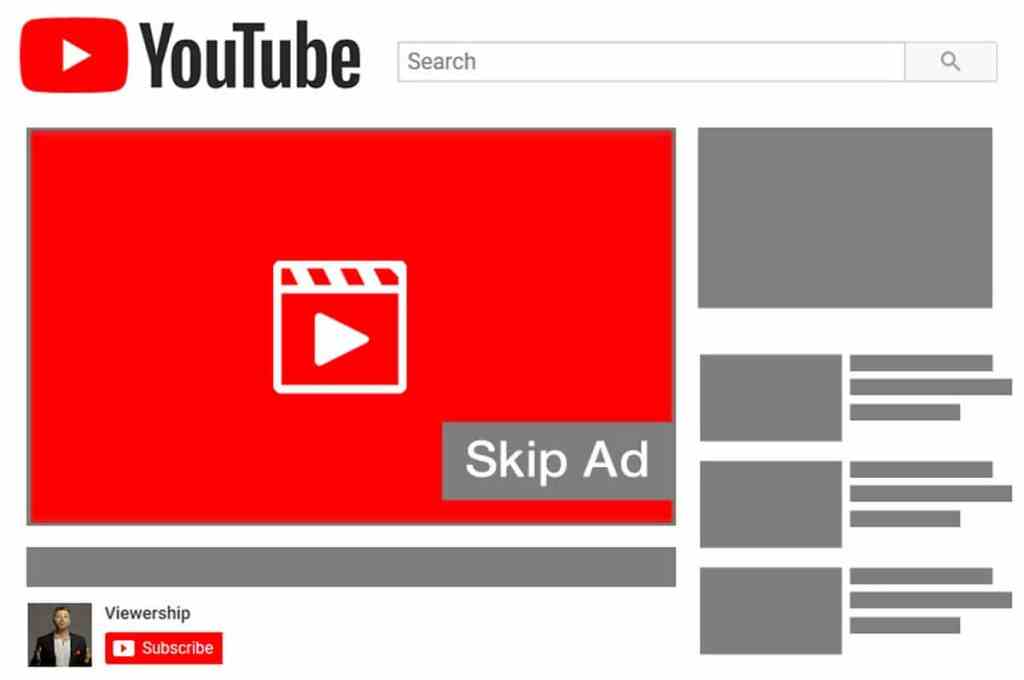
YouTube Advertising that is mostly known as YouTube Ads is one of the services provided for businesses to promote their product on the channel of the content creator. The content creator must activate the monetization option and meet several requirements to use this service. They will get the benefits from the payment based on the number of viewers that seen or click the advertisement appear on their videos. As the advertisement provider, YouTube has to be able to place the advertisement on the right content that does not violate the advertiser’s values. Besides, it has to be able to target the right viewers that could attract them to see and respond to the advertisement. To respond to the challenges, YouTube has done several innovations in the information system to provide better service for advertising.
There is limited information regarding how YouTube works on the targeted audience for the advertisement. However, from Google’s official blog, the YouTube domain used cookies as the tools to make the advertising more valuable for advertisers and more engaging for viewers. Cookies also connect the information regarding the audience from other Google products, such as google search. Cookies work by selecting the advertisement based on user relevance, avoiding the same ads to be shown again, and improving ads performance reports. Some cookies that are being used for YouTube are named DSID, FLC, AID, TAID, and exchange_uid. They used to link the viewer’s activity across devices that they are logged in to. Another example is a cookie named ‘recently_watched_video_id_list’ that records the most recent video watched by the viewers. More information on how cookies work, in general, can be seen in the video link below.
To support the use of cookies, YouTube also uses Pixel. The function is to set up the cookies in the browsers. Pixel has been used for many years by many websites to track and measure the performance of the advertisement. Unfortunately, both cookies and pixels can only be operated for a single screen, that is not related to YouTube nowadays. The privacy also becomes one of the reasons YouTube should not use cookies and pixel, but create their tracking system for advertisement. Starting in 2015, YouTube has trying to limit the use of cookies and pixels. It is integrated with Google using AdWords. The video advertising now can be integrated with other advertising that makes the marketers easily to advertise and analyze their advertising. This video can explain more about how Google AdWords works on YouTube.
In 2017, Google on its official blog post revealed that YouTube advertisement will use Google Ads Data Hub and Google’s Customer Match to increase its advertisement service. Now, YouTube could directly use data from other Google products, such as Google Search that include demographic information, past and recent searches. This decision was taken to protect the privacy of the YouTube users from the third-party like Cookies and Pixel that has become the controversy. Another benefit is that it could increase the accuracy of the targeted audience. Even though Google limit the use of cookies and Pixel, it still works with other third-party analytics, such as ComScore, DoubleVerify, IAS, MOAT, and Nielsen. This effort has a great achievement that can be seen from the revenue of YouTube from Advertisement that increasing significantly from $ 8150 million in 2017 to $ 15,149 million in 2019.
Unfortunately, in 2019 YouTube faces a new challenge in the advertisement industry. Video content restriction cannot eliminate inappropriate content to appear in the video. Underneath the video, viewers can see hideous of inappropriate comments and time stamps of the video that lead to inappropriate content. In those videos YouTube put the advertisement of several advertisers, that feared them to put their advertising on YouTube. It is because it could affect the brand image of their business. Therefore, many Companies freeze their advertising on YouTube. Regarding this issue, there is no enough explanation given by YouTube.
The accident shows that even though YouTube can manage the information system from the viewers as the advertisement audience they have not yet succeeded in sort out the right content video or hideous content for the advertisement. As a suggestion, YouTube should not have enough to give the best service. It has to continue to improve its information-analytical system to target the right audience for the right advertisement in the right content video.
References :
Dimitrioski, Z. (2019, February 25). Big Companies Freezing Their Advertising On YouTube Because Of Controversial Comments. Retrieved February 5, 2020, from forbes.com: https://www.forbes.com/sites/zarkodimitrioski/2019/02/25/big-companies-freezing-their-advertising-on-youtube-because-of-controversial-comments/#41f86e813982
Fein, A., Ibrahim, A., & Shackleton, L. (2015, September 2). The power of video meets the capabilities of AdWords – all TrueView campaigns now in AdWords. Retrieved February 5, 2020, from adwords.googleblog.com: https://adwords.googleblog.com/2015/09/trueview-campaigns-now-in-adwords.html
Hutchinson, A. (2017, January 21). YouTube Announces New Ad Targeting Options, Improved Measurement Tools. Retrieved February 5, 2020, from socialmediatoday.com: https://www.socialmediatoday.com/social-business/youtube-announces-new-ad-targeting-options-improved-measurement-tools
Sloane, G. (2017, January 20). Advertiserd Can Now Target Youtube Ads Based on People’s Google Search Histories. Retrieved February 5, 2020, from adage.com: https://adage.com/article/digital/advertisers-target-youtube-ads-based-search-histories/307614
 Stella CK's MIS304 site